AI license plate recognition for parking enforcement that works in snow, mud and glare
We add an AI layer to your existing recognition engine and enforcement app, so parking teams spend less time on rescans and manual checks and get a clear result on every plate.
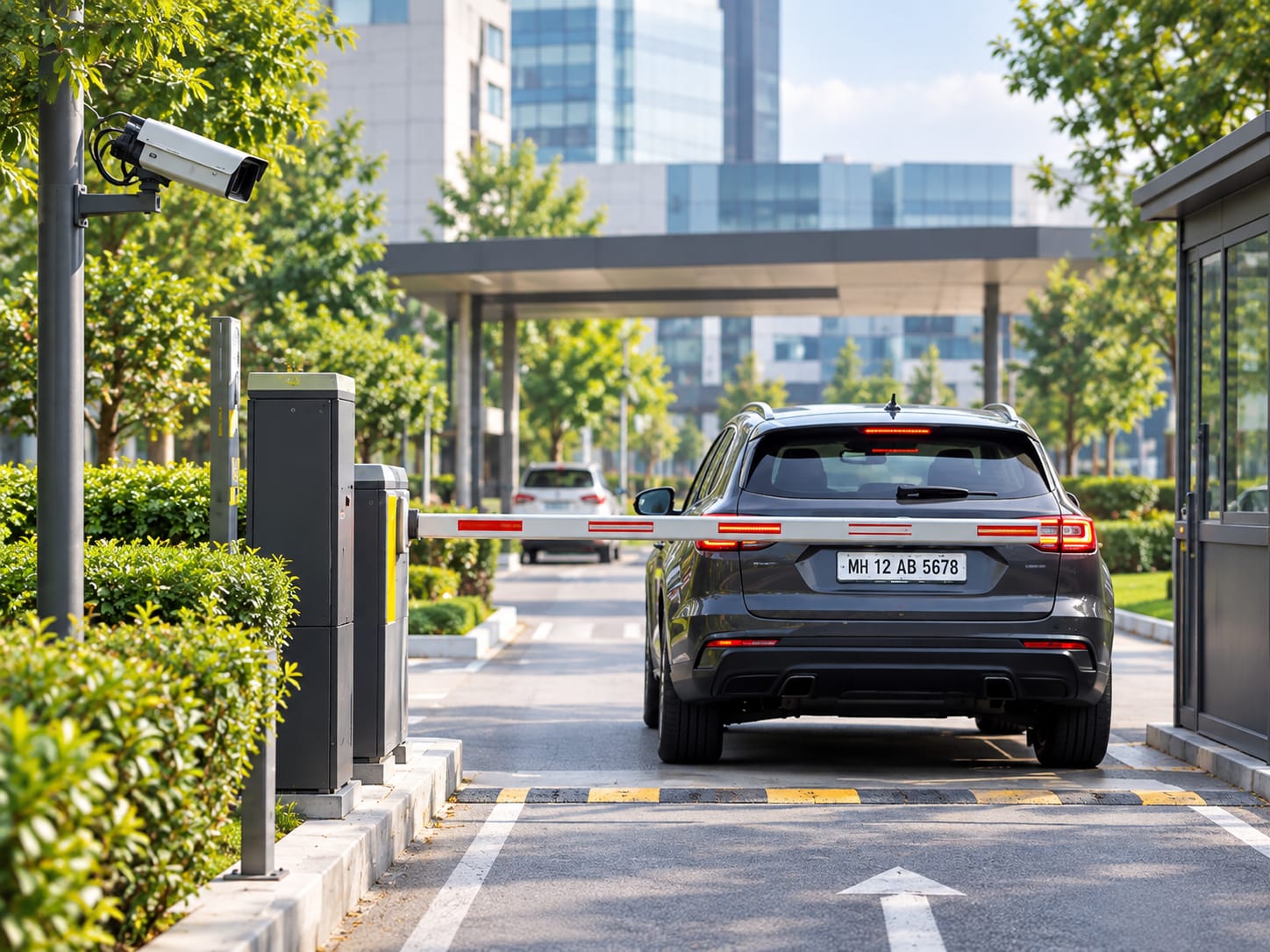
Tizora builds AI license plate recognition for parking enforcement. We add an AI layer in front of your existing license plate recognition system and mobile enforcement app, so poor-quality plate images are enhanced, scored and validated before an enforcement decision is made. This works for ALPR for parking enforcement as well as LPR.
LPR parking enforcement software that works with your existing engine
Conventional LPR reads plates well in ideal conditions. Real streets and lots are messier. Instead of replacing your LPR (license plate recognition) system, we add an AI processing layer around your existing recognition engine and mobile workflow, so difficult plates are enhanced, scored and validated before an enforcement decision is made.
- Industry
- Parking & Mobility
- Services
- AI image processing, API integration, field validation
- Works with
- Your existing LPR engine, permit database and enforcement app
How our AI license plate recognition pipeline works
Image quality assessment
Each capture is checked for sharpness, lighting, occlusion and angle to decide how it should be processed.
Targeted enhancement
The system applies the specific fix each image needs, such as glare or blur correction, instead of one generic filter for everything.

Confidence-scored recognition
Every read gets a confidence score. High-confidence reads move on, and uncertain reads are retried or escalated.
Permit verification
The plate is checked against your permit database, and the officer sees valid permit, no permit found, or unable to determine.

Better license plate recognition accuracy in snow, mud, glare and low light
Snow, mud, glare, damaged plates, poor lighting, motion blur and awkward angles are what break conventional LPR outside ideal conditions. We design for those conditions, which is why license plate recognition in snow and at night is where an AI layer helps most.
Parking enforcement app integration
The AI layer sits ahead of your current recognition engine and mobile app, so officers keep using the tools they know.
Confidence scoring that prevents wrong tickets
High-confidence reads go straight to permit validation. Uncertain reads are retried or escalated, so a guess never becomes an enforcement call.
Condition-aware image processing
Each image is assessed and gets the specific enhancement it needs.

Replace your license plate recognition system, or add an AI layer?
Both routes can work, and most license plate recognition systems read well in good light. This is how the two routes differ for an enforcement team.
| Question | Replace the system | Tizora's approachAdd an AI layer |
|---|---|---|
| Recognition engine | Replace the systemSwapped for a new one | Add an AI layerYour existing engine stays |
| Officer workflow | Replace the systemNew app and retraining | Add an AI layerSame mobile app, no added steps |
| Permit database | Replace the systemOften needs migrating or reconnecting | Add an AI layerConnected through APIs |
| Uncertain reads | Replace the systemDepends on the new product | Add an AI layerScored, then retried or escalated to review |
| Best when | Replace the systemYour current system is end of life | Add an AI layerYour system works but fails in poor conditions |
How we integrate AI into your parking enforcement workflow
Integration follows the same four steps on every project, and we fix scope after the site assessment.
Site Assessment
Reviewing the current enforcement workflow, the capture conditions you face, and where reads fail today.
Pipeline Design
Designing the processing layer around your existing recognition engine and mobile application.

Integration
Connecting the layer to your permit database and enforcement app through APIs.

Field Validation
Testing in real conditions, tuning confidence thresholds, and moving to production.
AI license plate recognition for parking enforcement in practice
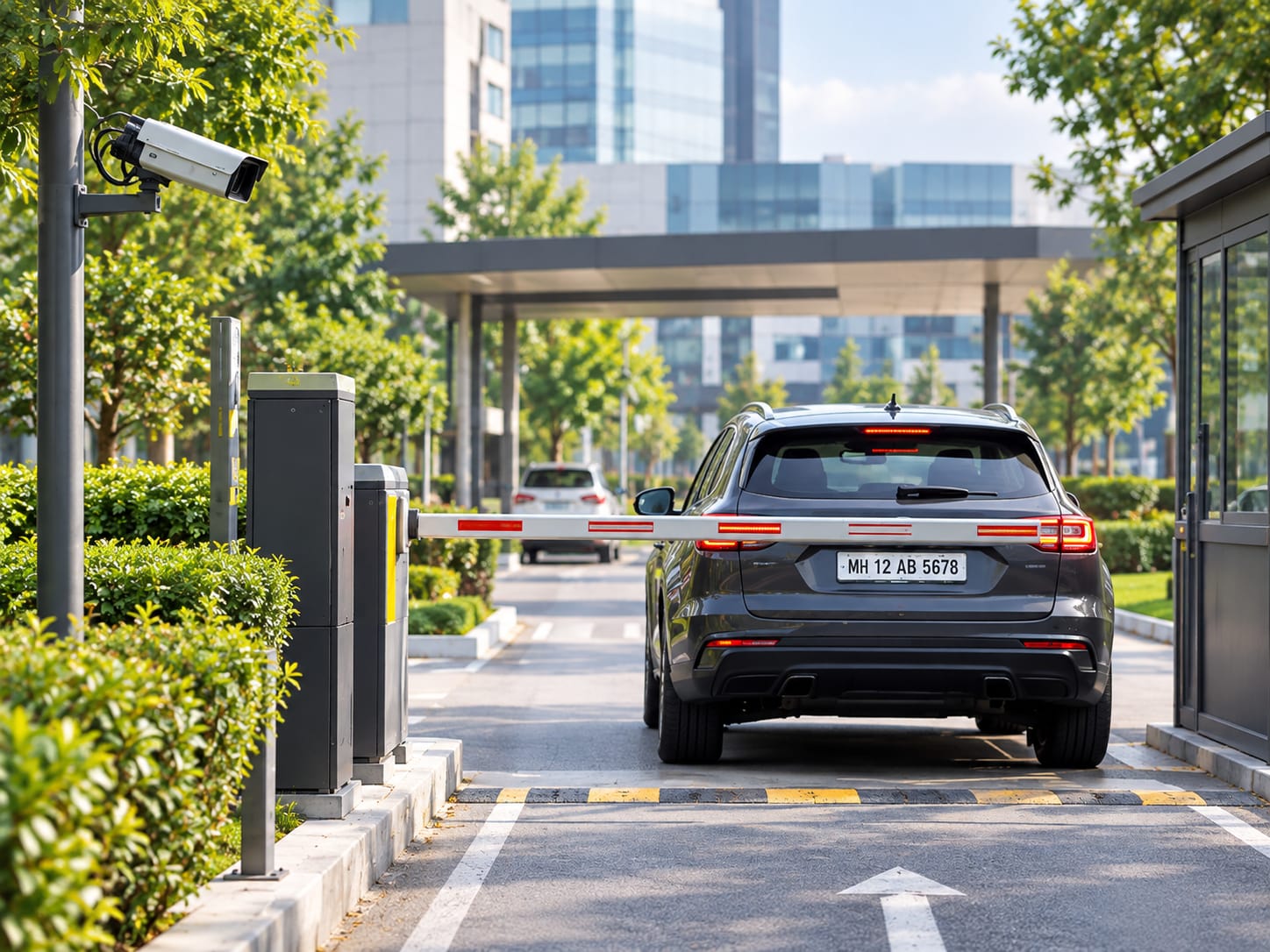
A North American provider of a mobile parking enforcement app added our AI layer ahead of its existing recognition engine. The result: fewer rescans, faster permit checks and no guessed reads on uncertain plates.
Why add an AI layer instead of replacing your LPR system?
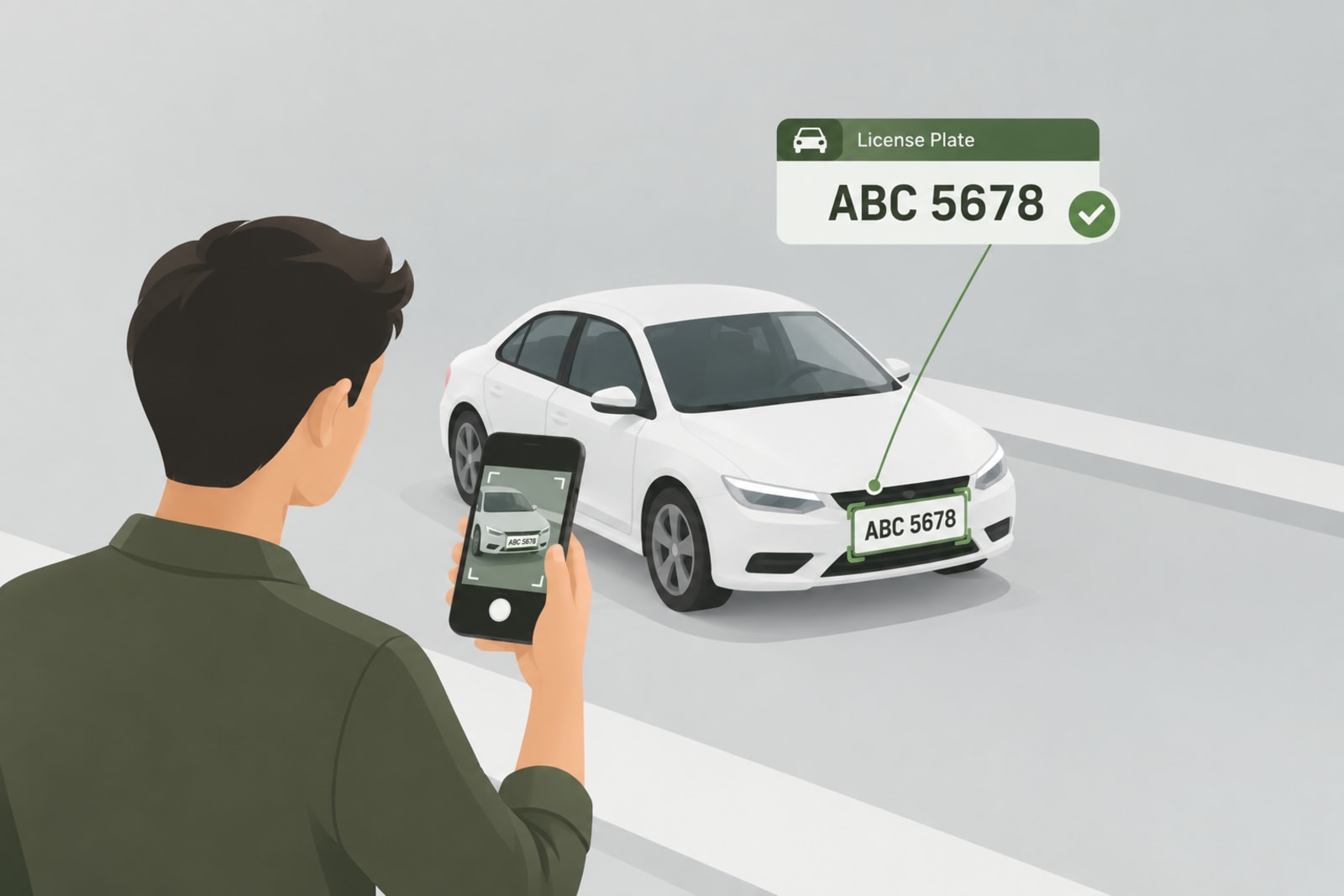
Weather-ready recognition: Processing pipelines target the most common causes of LPR failure: snow, mud, glare, motion blur and poor lighting.
Confidence you can act on: Each read is scored, so officers see a clear result: valid permit, no permit found, or unable to determine.
Integrates with your current engine, permit database and enforcement app: With no added steps for officers.
Related license plate recognition work
Who needs AI license plate recognition for parking enforcement?
- Built for
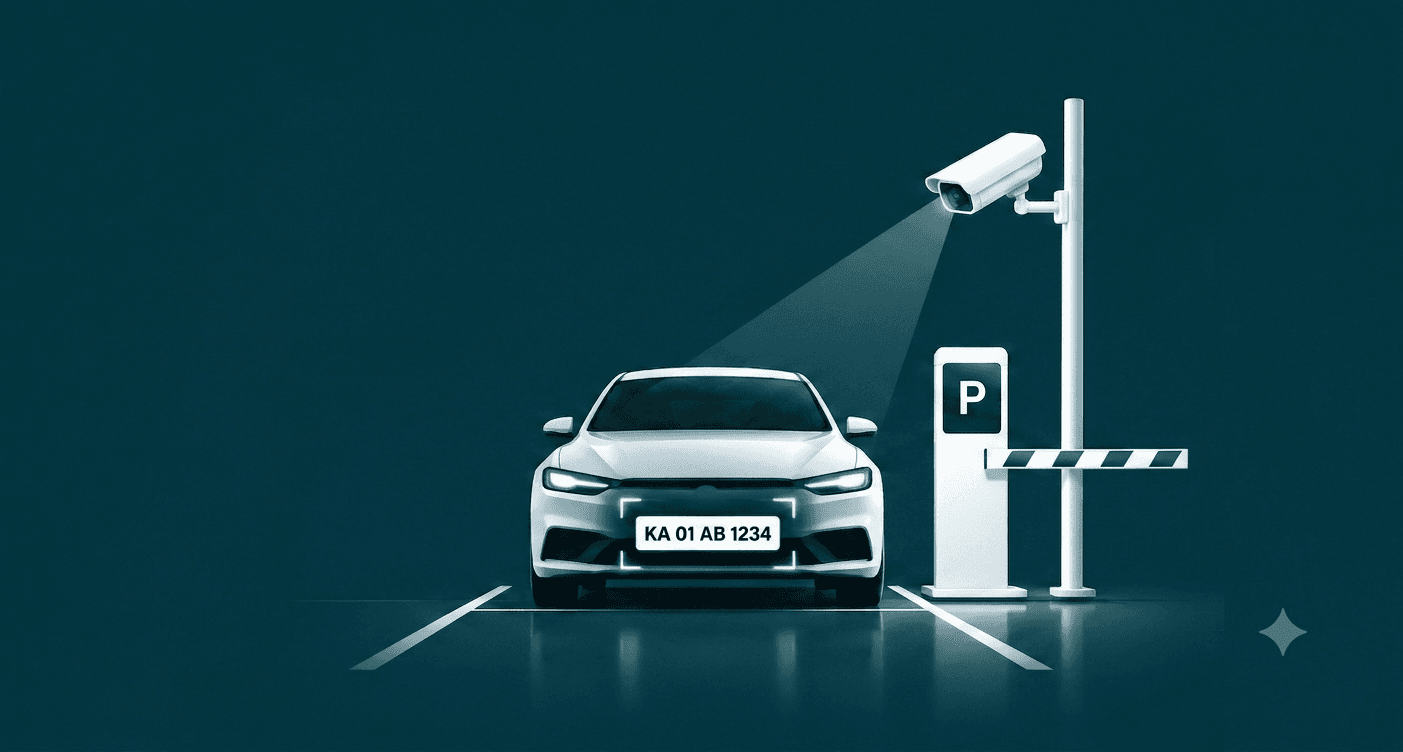
- mobile permit enforcement where snow, mud, glare, blur and poor lighting make plates hard to read
- Works with
- the license plate reader systems you already run: your enforcement app, LPR or ALPR recognition engine and permit database, connected through an API layer
- You will need
- access to your capture workflow, API access to your permit database and enforcement app, and sample images from the conditions where reads fail today.
- How it starts
- a site assessment of your enforcement workflow and capture conditions, after which we fix the scope
This approach fits parking enforcement app providers and parking operators that already run a recognition engine and a permit database, and lose time to rescans, manual checks or uncertain reads. It does not suit teams without any LPR system or permit data.
FAQ
AI license plate recognition FAQs
It is an AI processing layer that improves how plate images are read for parking enforcement. It checks image quality, enhances difficult images, scores each read for confidence and validates the plate against a permit database before an enforcement decision is made. Tizora adds this layer in front of your existing recognition engine.
The system assesses each image for sharpness, lighting, occlusion and angle, then applies the specific enhancement that image needs instead of one generic filter. Each read is then scored for confidence, so uncertain plates are retried or escalated and do not become guessed enforcement calls.
LPR (license plate recognition) and ALPR (automatic license plate recognition) are used interchangeably for software that reads plates from camera images, so an automatic license plate recognition system and an LPR system do the same job. ALPR is the common US term. In the UK the same technology is usually called ANPR, and it is also spelled licence plate recognition system.
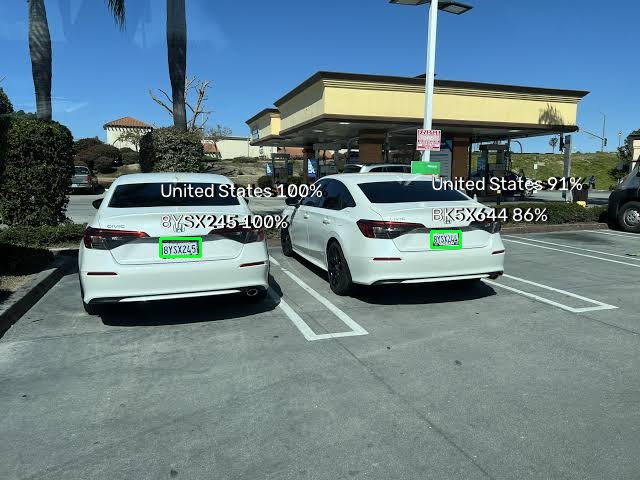
Each plate read gets a confidence score. High-confidence reads go straight to permit validation. Low-confidence reads are retried, handled by a fallback, or sent for manual review. The officer then sees a clear result: valid permit, no permit found, or unable to determine.
Yes. The AI layer sits ahead of your current recognition engine and connects to your permit database and enforcement app through APIs, so officers keep using the tools they already know.
It improves the chance of a usable read by enhancing the image and retrying. When a plate still cannot be read with confidence, the system reports it as unable to determine and sends it for review instead of guessing.
It depends on your recognition engine, your permit database and the conditions where reads fail today. We fix the scope after a site assessment that reviews your enforcement workflow and capture conditions.
You need access to your capture workflow, API access to your permit database and enforcement app, and sample images from the conditions where your reads fail today.
Add AI license plate recognition to your parking enforcement
Tell us where your reads fail today. In a short call we will look at your capture conditions, recognition engine and permit database, and show how an AI layer could fit. This is license plate recognition software development built around the system you already run.
